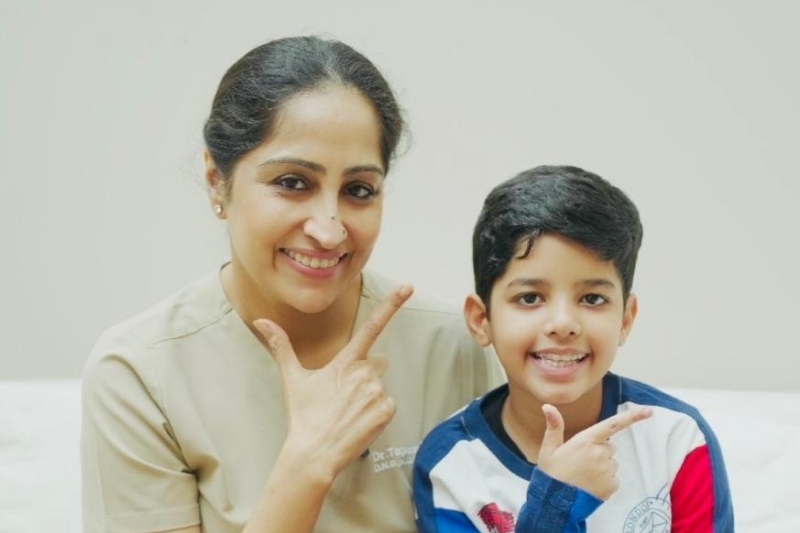
A widespread assumption is that orthodontic treatment should begin only once all baby teeth have been replaced by permanent teeth. However, an early orthodontic evaluation is often recommended around age 7. The American Association of Orthodontists supports this timing because, even with some primary teeth still present, an orthodontist can detect developing concerns before they become more difficult to correct. This article highlights five key reasons why early screening matters and how timely evaluation supports healthy dental and facial development.
Your oral health is more important than you might realize. It’s not just about having a bright smile, it’s about maintaining your overall well-being. Regular dental check-ups, proper brushing and flossing, and a healthy diet can prevent many dental issues.
Prolonged Thumb Sucking Habits
Thumb sucking is common in infants and young children. However, when the habit continues beyond age 4 or 5, it can begin to affect tooth alignment and jaw development. Constant pressure from the thumb may push the front teeth forward or prevent the upper and lower teeth from meeting properly. Common effects include:
- Protruding front teeth (clinically referred to as increased over-jet )
- Open bite (front teeth do not touch when the mouth closes)
- Narrowing of the upper jaw (known as maxillary constriction, which can lead to crowding and bite problems)
An orthodontist can assess the impact early and provide guidance to stop the habit before long-term changes become more severe. For parents seeking expert early orthodontic support, Dr. Tapasya Kapoor is widely trusted for providing the best orthodontic treatment in Gurugram, with child-focused care and advanced solutions.
Chronic Mouth Breathing and Jaw Development
Regular mouth breathing, instead of breathing through the nose, can influence how a child’s jaw and facial structure develop. This pattern often results from airway issues such as allergies, enlarged tonsils or blocked nasal passages.
Mouth breathing may contribute to:
- Narrow upper jaw
- Crowded teeth
- Changes in facial growth patterns
Orthodontists are trained to recognize these signs and may recommend coordination with a pediatrician or ENT specialist while monitoring dental development.
Difficulty Eating or Chewing Certain Foods
If a child struggles to chew properly or avoids harder foods such as raw vegetables or meat, it may indicate a bite alignment problem. When the jaws do not fit together correctly, chewing can become uncomfortable or inefficient. Bite concerns may include:
- Upper teeth extending too far forward
- Lower jaw protrusion
- Bite shifting to one side
Early evaluation helps identify whether jaw growth patterns are interfering with normal function, allowing for timely monitoring or intervention.
Protruding Front Teeth
Front teeth that stick out significantly, known as excessive overjet, are an important sign for early orthodontic assessment.
A larger-than-normal gap between the upper and lower front teeth can:
- Increase risk of injury during falls or sports
- Affect lip closure
- Sometimes influence speech development
Orthodontists evaluate whether the issue is caused by tooth positioning, jaw imbalance or both. Early growth guidance is often most effective while the jaw is still developing.
Overlapping or Crowded Front Teeth
Crowding or overlapping front teeth usually suggests insufficient space in the jaw for permanent teeth to erupt properly. This may occur when:
- The jaw is smaller than average
- Teeth are larger than average
- Baby teeth were lost too early, causing shifting
Crowded teeth can make brushing and flossing difficult, increasing the risk of cavities and gum problems. Early screening allows orthodontists to predict whether crowding will worsen and determine the best timing for treatment.
How Early Orthodontic Evaluation Helps Prevent Future Problems
An orthodontic evaluation at age 7 provides valuable insight into a child’s developing bite and jaw growth. At this stage, the first permanent molars and front teeth have typicallyemerged, offering an important baseline for assessment. Early evaluation does not always mean immediate treatment. In many cases, orthodontists recommend periodic monitoring every 6 to 12 months to track natural growth and ensure problems do not progress.
This proactive approach helps families understand:
- Whether treatment will be needed
- The ideal timing for intervention
- Potential long-term orthodontic outcomes
Conclusion
Although baby teeth may seem like a reason to delay orthodontic care, early warning signs such as prolonged thumb sucking, chronic mouth breathing, chewing difficulties, protruding teeth and crowding often indicate the need for professional evaluation. An orthodontic visit at age 7 is not about rushing into braces, but about gaining a clear understanding of your child’s dental development and establishing the right path toward lifelong oral health. Early detection supports healthier growth, reduces future complications, and often makes orthodontic care simpler and more effective.
For comprehensive early orthodontic assessment and child-focused care, Dr. Tapasya Kapoor, with over 24 years of clinical experience, is recognized for providing the best orthodontic treatment in Gurugram, combining clinical excellence, advanced diagnostic techniques, and compassionate care for growing patients.
