Orthodontic treatment goes beyond straightening teeth. It focuses on correcting malocclusion(which means improper alignment of teeth and bite), improving occlusion and ensuring proper jaw alignment. These factors affect not just appearance, but also chewing, speech and long-term oral health. When treatment is not planned correctly, it can lead to unstable results, difficulty in chewing or speaking due to poor bite correction and long-term issues such as jaw strain and uneven wear of teeth. This is why choosing the right orthodontist is a clinical decision, not just a cosmetic one.
A common misconception is that orthodontists and general dentists offer the same treatment. A general dentist focuses on overall dental care, while an orthodontist is a specialist (MDS in orthodontics, advanced degree focused on teeth alignment and bite correction).
Orthodontists receive additional years of training in:
● Controlled tooth movement (planned shifting of teeth)
● Bite correction and occlusion (how teeth function together)
● Long-term alignment planning (ensuring results stay stable)
Without this specialised training, there may be:
● Less detailed evaluation
● Improper treatment planning
● Less predictable results in complex cases
This is why many patients prefer consulting a senior orthodontist like Dr Tapasya Kapoor, known for her expertise in orthodontic care in Gurugram.
Experience in orthodontics is not just about how many years someone has practiced. It is about the range and complexity of cases handled.
A truly experienced orthodontist has:
● Managed both simple and complex malocclusion cases
● Treated challenging jaw alignment and bite issues
● Delivered consistent clinical outcomes
Such expertise allows them to:
● Anticipate complications early
● Adjust treatment plans when needed
● Ensure better treatment predictability
Complex cases require deeper clinical judgement, not just routine treatment.
One of the most critical aspects of orthodontic treatment is treatment planning.
A proper plan starts with a complete diagnosis, which may include:
● Digital scans
● Bite analysis
● Facial assessment
Modern tools like 3D treatment planning and treatment simulation (preview of expected results) help improve accuracy. However, these tools depend entirely on the orthodontist’s expertise.
Poor planning can lead to:
● Longer treatment time
● Incomplete alignment or bite correction
● Need for additional corrections later
This is why customised treatment planning is essential.
A successful orthodontic result is not just about straight teeth.
It must balance:
● Smile aesthetics
● Functional alignment
If only aesthetics is considered, it may lead to bite issues and instability.
An experienced orthodontist evaluates:
● Smile line (how teeth show when you smile)
● Lip dynamics (movement of lips during speech and smile)
● Facial proportions (overall balance of face)
● Jaw alignment (position of jaws)
The goal is to achieve facial harmony (balanced appearance) along with stable function.
Modern orthodontics uses advanced technology, including digital orthodontics and aligner planning.
While these tools improve precision, they do not replace:
● Clinical judgement (decision-making based on experience)
● Ongoing treatment adjustments (modifications during treatment)
The final outcome depends on how well the orthodontist:
● Interprets the data
● Adapts the plan as treatment progresses
Technology supports treatment, but expertise drives results.
Orthodontic treatment is a continuous process that requires regular monitoring and follow-up.
Continuous supervision ensures:
● Correct tooth movement
● Timely adjustments and refinements
Without proper supervision, treatment may become slower, less effective or incomplete.
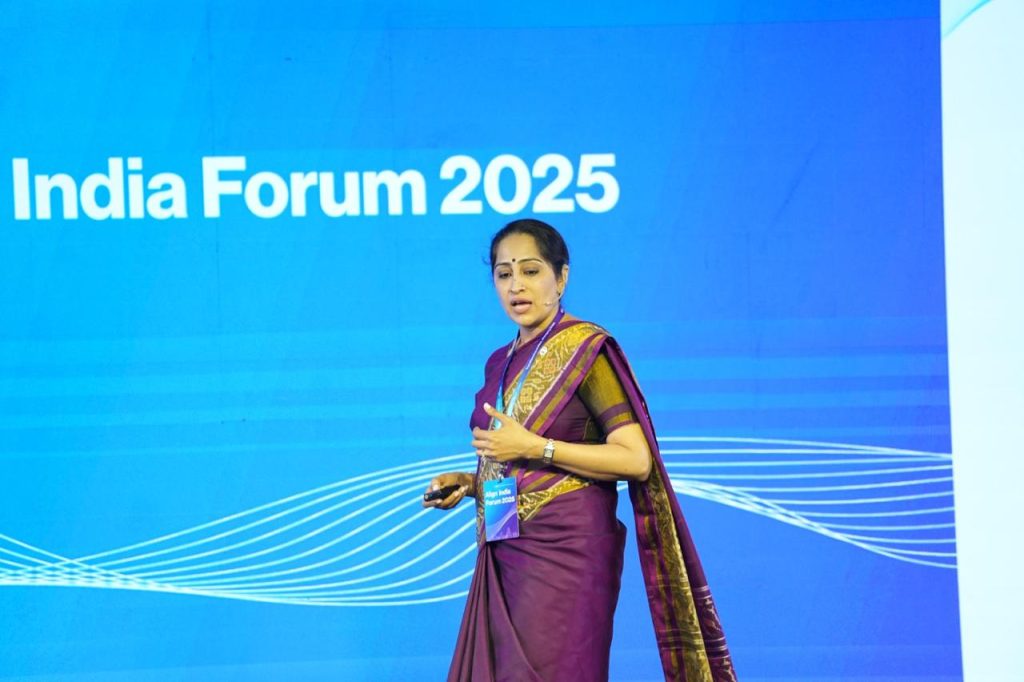
Dr Tapasya Kapoor is a senior orthodontic specialist with over 24 years of experience, known for managing both routine and complex orthodontic cases. She is an Invisalign Key Opinion Leader and trainer, as well as a Diamond Invisalign Provider, reflecting extensive experience in aligner-based treatments. She has also had 8 cases featured in the Align Global Gallery. With over 12,000 completed braces cases and experience training more than 1000 orthodontists across India, her approach is rooted in strong clinical expertise. She has also served for 12 years as a visiting consultant orthodontist in Dubai, bringing international exposure to her practice.
Her treatment approach focuses on:
● Expertise in complex bite corrections
● Advanced 3D digital planning for precision
● Balancing aesthetics and function
● Continuous supervision for safe and predictable outcomes
This level of structured, expert-led orthodontic care is particularly important in cases where both aesthetics and functional correction need to be achieved together.
Choosing the right orthodontist is a clinical decision and should not be based only on cost, location or marketing claims. It is important to focus on factors such as clinical expertise, the quality of treatment planning and continuous supervision throughout the process, as these directly influence the safety, effectiveness and long-term stability of your results. If you are planning orthodontic treatment, consider consulting Dr Tapasya Kapoor Dental Clinic for a detailed evaluation and personalised guidance to help you make an informed decision.Orthodontist vs Dentist: Why Specialist Training Matters
Why Case Experience Matters More Than Just Practice Years
Treatment Planning: The Most Important Factor Patients Overlook
Why Aesthetic and Functional Expertise Both Matter in Orthodontics
If only function is considered, the smile may not look natural or balanced.Technology vs Expertise: What Actually Determines Results
Why Continuous Orthodontic Supervision Is Essential for Safe Results
Why Patients Choose Dr Tapasya Kapoor for Orthodontic Treatment
Conclusion