Are tooth misalignments always the real cause of bite issues? Not always. In some cases, the width of the upper jaw is the actual concern. When the jaw is too narrow, an experienced orthodontists may recommend upper jaw expansion to widen it and correct the structural issue. This treatment is considered a skeletal correction rather than simply a cosmetic procedure. When diagnosed early in children, it can guide natural jaw development through a growth-guided orthopaedic approach. However, in adults, the treatment may require more specialised orthodontic techniques. To better understand this, let’s explore what upper jaw expansion is and when it is recommended.
What Is Upper Jaw Expansion?
Upper jaw expansion is a specialised orthodontic treatment used to widen the upper jaw when the dental arch is too narrow to create more space for teeth and improve bite alignment. In medical terms, this is called maxillary expansion, where the maxilla, the bone that forms the upper jaw and supports the upper teeth, is gradually expanded.
The upper jaw has a natural line in the middle called the palatal suture. This is the place where the two halves of the upper jaw meet. In children, this area is still flexible, which makes it possible to slowly widen the jaw.
Orthodontists use a special device called a palatal expander to do this. One common type is called Rapid Maxillary Expansion (RME). The appliance sits inside the mouth and is attached to the upper teeth. It has a small expansion screw that is turned gradually to apply gentle pressure and widen the jaw.
As the jaw slowly expands, the body begins forming new bone in the space that develops.
This biological process, known as bone remodelling, helps stabilise the widened jaw.
Signs That Upper Jaw Expansion May Be Needed
Upper jaw expansion is recommended when the upper jaw is too narrow to support proper tooth alignment and bite function. Orthodontists look for several signs that indicate the need for this treatment.
Crossbite
A crossbite happens when the upper teeth bite inside the lower teeth instead of outside them. When the upper jaw is narrow, the lower jaw may shift to one side so the teeth can fit together. Over time, this can cause the face to grow unevenly, a condition called facial asymmetry.
Severe Crowding Due to a Narrow Arch
Sometimes teeth look crowded because the upper jaw is too narrow. When there is not enough space for permanent teeth, they may overlap or grow in the wrong position. Upper jaw expansion can widen the jaw and create space for the teeth to align naturally.
Mouth Breathing and Airway Concerns
The palate or the roof of the mouth, also forms part of the nasal airway. If the palate is narrow, it may reduce the space for normal breathing through the nose. As a result, some children may develop mouth breathing habits, and in some cases it may also lead to snoring.
Impacted Teeth
An impacted tooth is a tooth that cannot come out properly because there is not enough space in the jaw. This often happens with canine teeth, the pointed teeth next to the front teeth. Expanding the upper jaw can help create space and allow these teeth to come in properly.
Child’s Face Appears Long or Narrow
In some children, the face may look long or narrow because the jaws grow more vertically than sideways. Orthodontists check facial balance to see if widening the upper jaw could help support better jaw growth and improve facial proportions.
At What Age Is Upper Jaw Expansion Most Effective?
Upper jaw expansion is most effective during childhood and early teenage years.
The ideal age is usually between 7 and 14 years, when the palatal suture (the joint in the middle of the upper jaw) is still flexible.
This is why orthodontists recommend an early orthodontic screening at age 7. Early screening helps detect jaw development problems before they become more complex.
As children grow older, the bones of the upper jaw gradually fuse together. This process is called suture closure and after this stage expansion may require more advanced treatment approaches.
Upper Jaw Expansion in Adults
Many adults want to know if upper jaw expansion can still be done after growth is complete. After adolescence, the palatal suture becomes joined together, making it difficult for the two halves of the jaw to separate.
Because of this, non-surgical expansion in adults may be limited. In some cases, orthodontists may recommend Surgically Assisted Rapid Palatal Expansion (SARPE).
In this procedure, a small surgery helps loosen the upper jaw, allowing it to expand safely with an expansion device. Careful planning and proper diagnosis by an experienced orthodontist are important to ensure safe and stable results.
Why Choose Dr Tapasya Kapoor for Upper Jaw Expansion Treatment
● 24 + Years of Specialised Orthodontic Experience
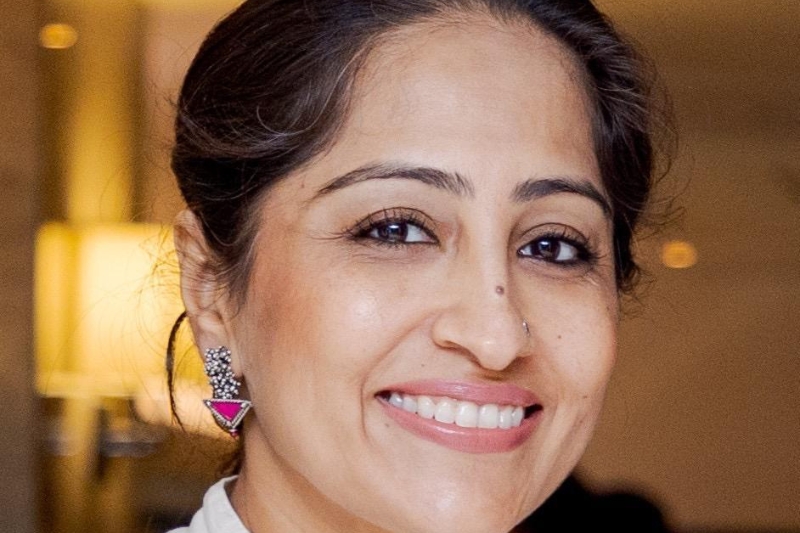
Dr Tapasya Kapoor is a senior orthodontic specialist with over 24 years of dedicated orthodontic experience. Her practice focuses on right diagnosis, right treatment philosophy and managing complex orthodontic and growth-related conditions.
● Expertise in Growth Modification and Surgical Orthodontics
Dr Tapasya Kapoor has more than 24 years of experience treating skeletal jaw discrepancies, impacted teeth and complex bite problems. Her clinical exposure includes both growth-guided treatments in children and surgical orthodontic cases in adults.
● Academic and Speaker Recognition
Dr Tapasya Kapoor is recognised in National and International orthodontic forums as an invited speaker and actively empowers orthodontic professional education and clinical learning.
● Individualised Treatment Protocols
Her clinical approach prioritises comprehensive diagnosis, personalized treatment planning and carefully designed retention protocols to maintain stable orthodontic outcomes over time.
H2 : Conclusion – Early Recognition Makes a Lifelong Difference
Upper jaw expansion is not simply a cosmetic treatment. It is a structural correction that improves jaw width, bite function and facial balance. The best results are often achieved during childhood, when jaw growth can still be guided naturally. However, expansion can still be performed in adults with specialised orthodontic techniques. Early diagnosis allows orthodontists to identify jaw development problems and treat them before they become more complex. For families and individuals concerned about jaw development or bite alignment, consulting a senior orthodontist can help determine whether upper jaw expansion is necessary and ensure treatment is planned safely for long-term oral health.